
[ Latest insight from the team ]
An effective enterprise AI strategy bridges the gap between pilot results and business value by establishing governance, clear decision rights, and operational workflows instead of focusing solely on model performance.
AI visual inspection maximizes efficiency by not only automating defect detection but also mapping findings to specific asset locations and integrating them directly into maintenance workflows to streamline the path from identification to corrective action.
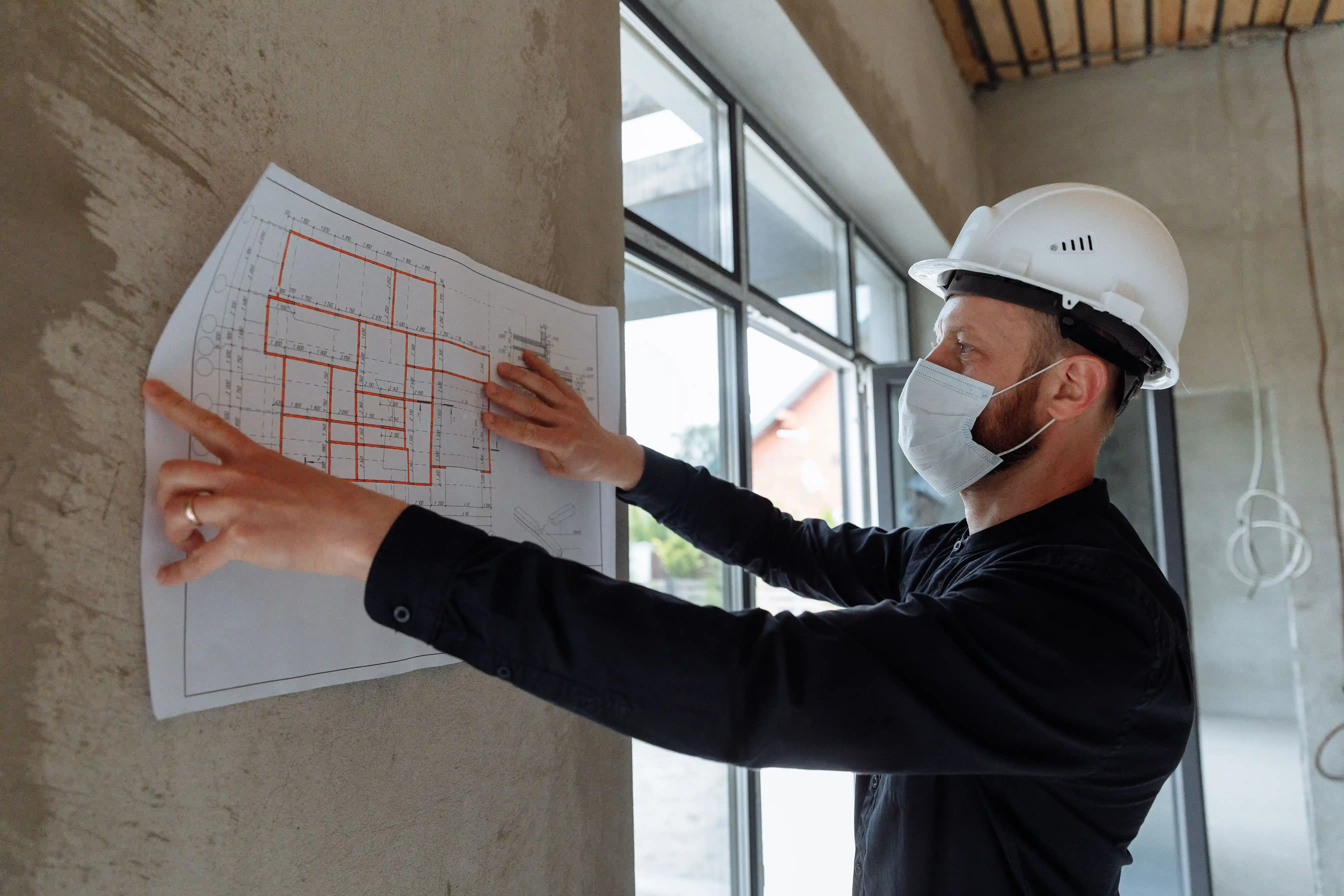
An interior inspection systematically documents a property's condition before handover, renovation, or purchase to identify defects, determine necessary repairs, and provide a clear record that helps owners and maintenance teams manage assets effectively.

By integrating inspection software with BIM and maintenance platforms, facility teams can bridge the gap between field data and repair actions, ensuring that every finding is consistently tracked, verified, and closed without the inefficiencies of fragmented, manual workflows.
Defect detection AI optimizes industrial inspection workflows by leveraging diverse methodologies like classification and segmentation, provided that models are supported by high-quality training data, rigorous validation, and human oversight to ensure accurate fault identification and resolution.
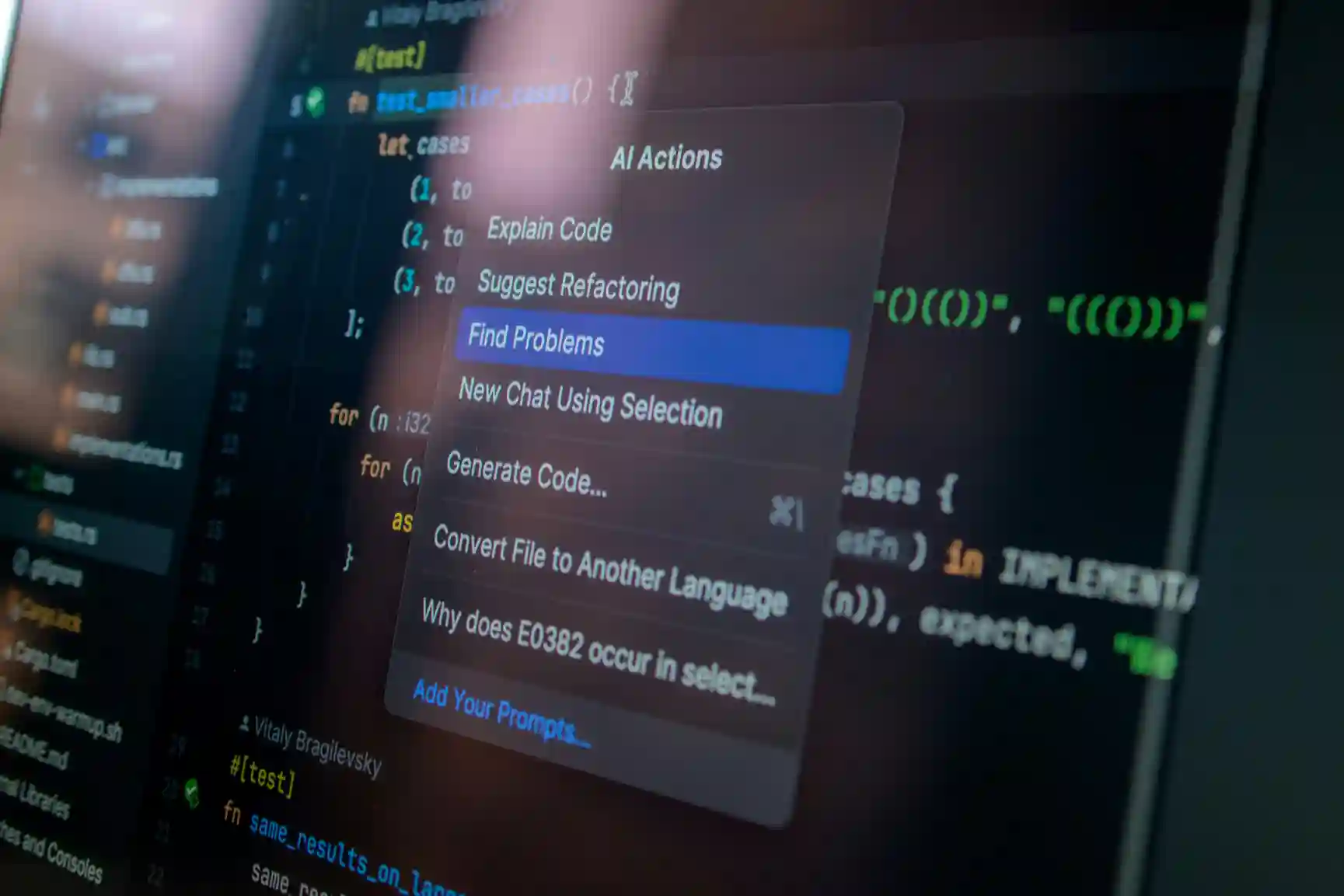
AI-driven inspection has become an essential solution for teams overwhelmed by large volumes of visual data, transforming raw evidence into structured, defensible defect records that facilitate faster reviews and clear repair planning.
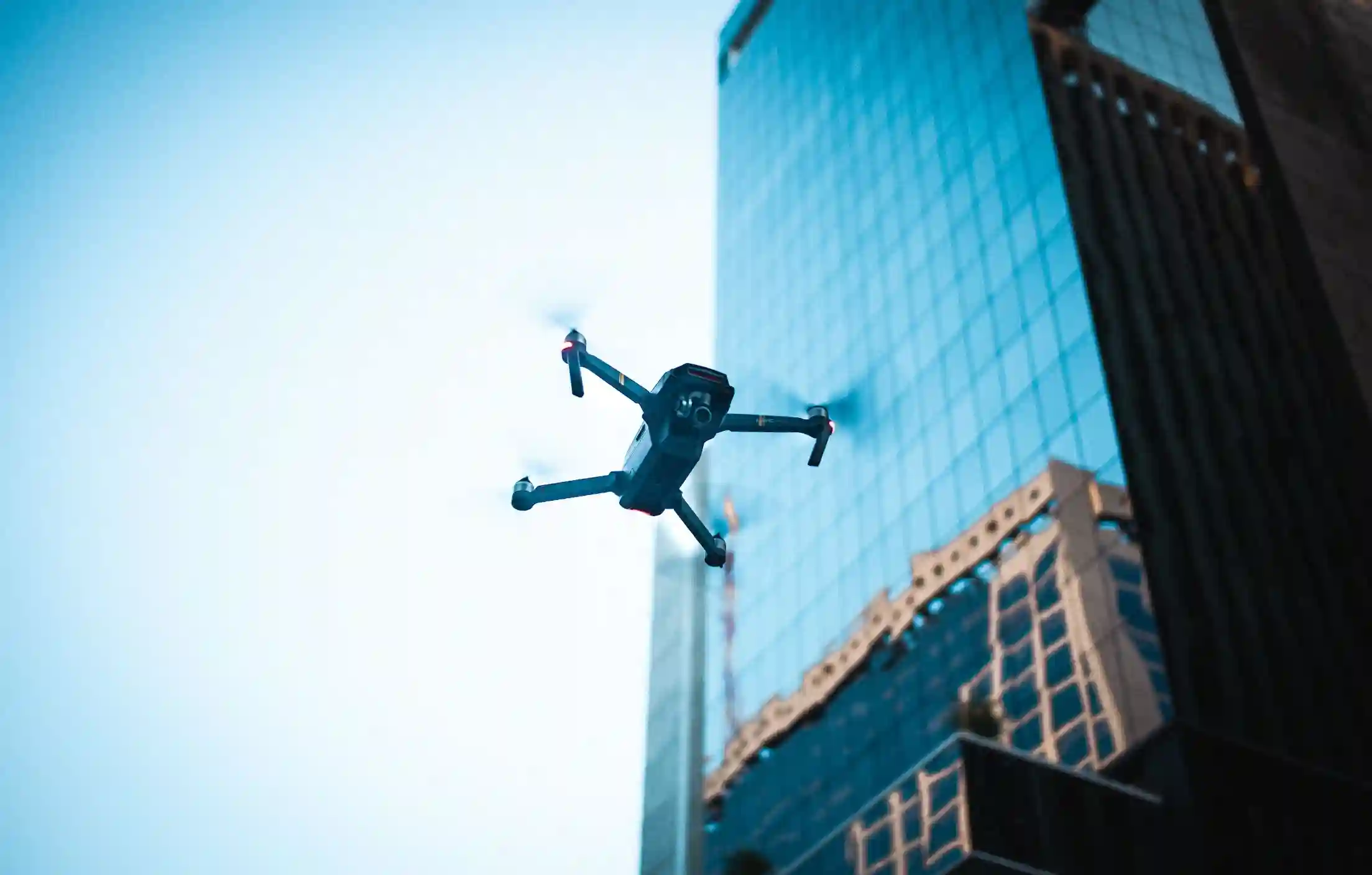
Learn how to choose an AI inspection platform that delivers actionable results. Discover why effective inspection software must go beyond basic detection to provide structured data, location mapping, and seamless repair workflows for your assets.
Get practical insights on
By clicking Sign Up you're confirming that you agree with our Terms and Conditions.