
[ Latest insight from the team ]
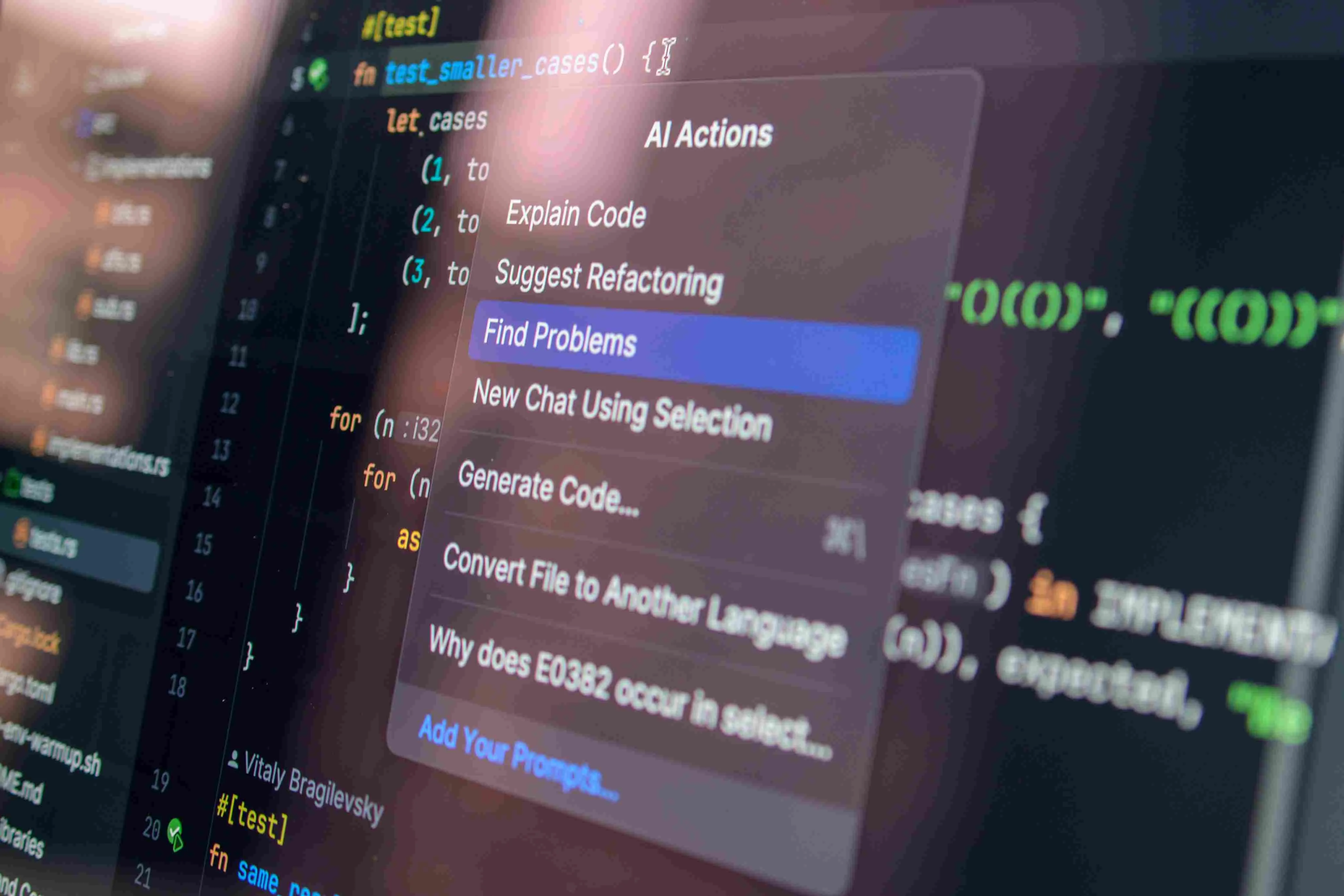
An effective enterprise AI strategy bridges the gap between pilot results and business value by establishing governance, clear decision rights, and operational workflows instead of focusing solely on model performance.

This article explores when to train custom AI models, detailing the steps from defining requirements and preparing data to evaluating and deploying models for specialized inspection tasks.

Effective enterprise AI implementation requires disciplined testing, clear operational ownership, and rigorous process controls to bridge the gap between pilot success and scalable production readiness.
An effective enterprise AI strategy bridges the gap between pilot results and business value by establishing governance, clear decision rights, and operational workflows instead of focusing solely on model performance.
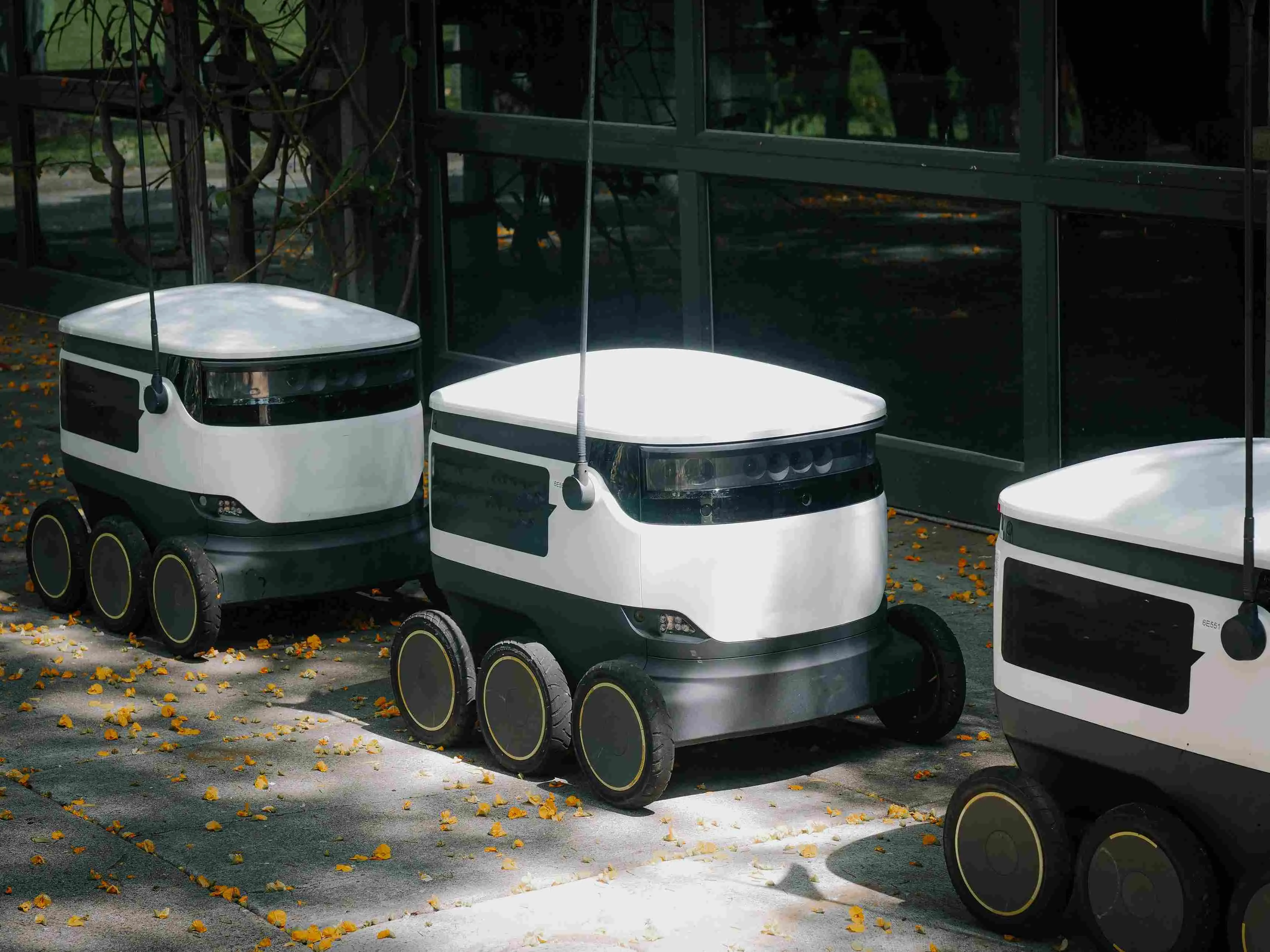
Enterprise AI drives operational efficiency by integrating with existing business workflows and data, requiring strategic implementation, human oversight, and a focus on high-impact, well-defined use cases to deliver measurable value.

Successful enterprise AI implementation relies on iterative scaling based on real-world operational results and integration with existing systems, rather than solely on model performance metrics.

Choosing the right building inspection software is about more than just data collection; it requires matching your team's specific needs for reporting, intelligence, and integration to ensure a seamless workflow from initial site evidence through to final repair verification.
Get practical insights on
By clicking Sign Up you're confirming that you agree with our Terms and Conditions.