
Thermal Imaging for Building Inspection: Uses and Limits
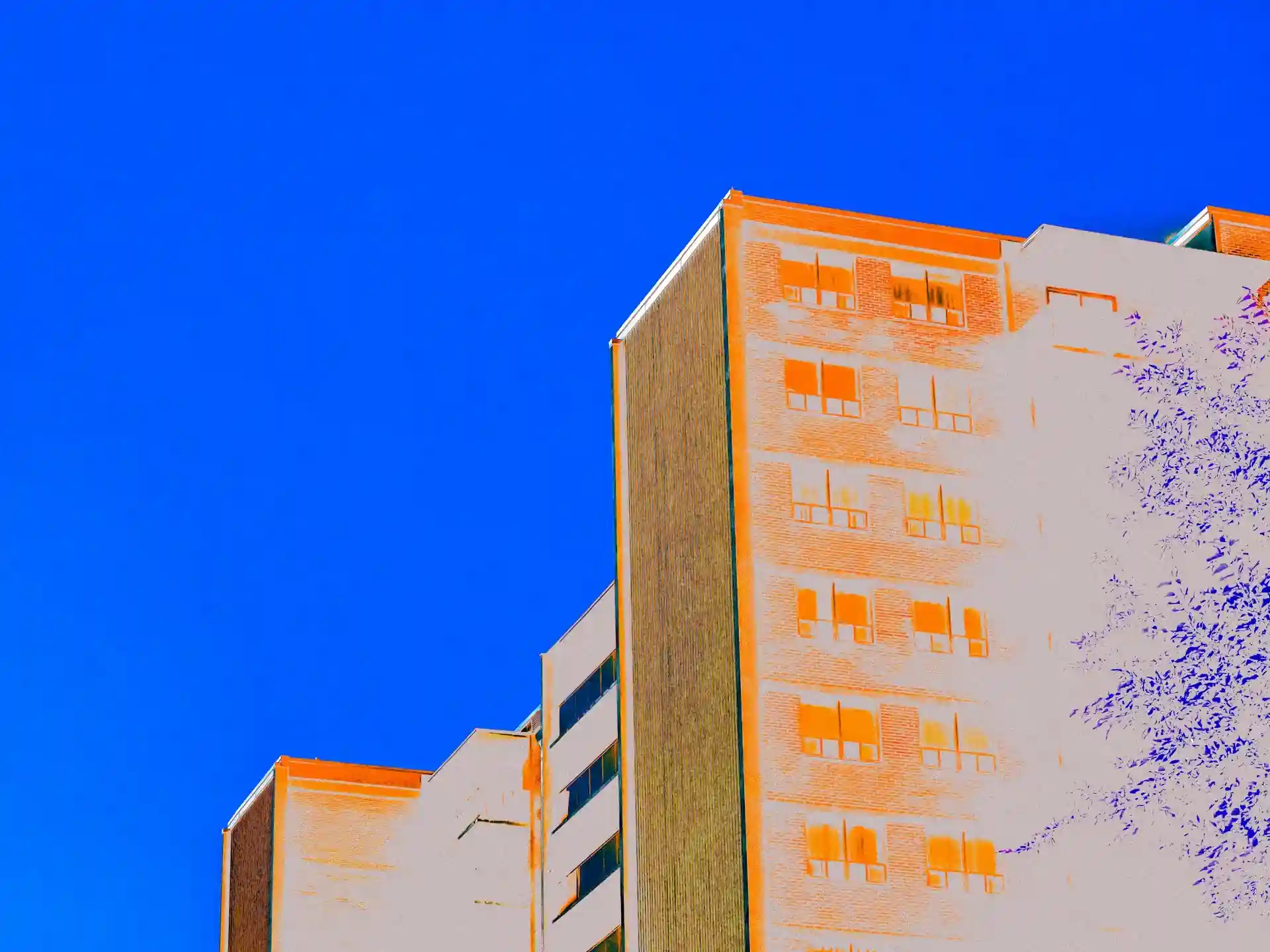
You need to know what thermal imaging will show you that a traditional visual inspection will not, and whether the cost of adding this technology is worth it. One of the most known benefits of infrared cameras, for example, is that they reveal temperature differences at the surface that help inspectors identify suspected moisture, missing insulation, and overheating components not detectable in conventional photographs.
What you’re paying for also depends on the scope: checking selected problem areas is a different job from assessing the whole building. Confirm which areas the inspector will scan and how they’ll investigate unusual readings. The images alone don’t establish what caused the temperature difference or whether repairs are needed.
This guide explains the main applications, the limits of thermal images, and the conditions needed for useful results, so you know what to ask before commissioning an inspection.
What Can Thermal Imaging Reveal in a Building?
Thermal imaging helps investigate moisture, insulation gaps, air leakage, and overheating. Each application involves checking a different part of the building, from concealed plumbing to electrical connections.
Moisture and Possible Leaks
Moisture behind a wall or above a ceiling doesn’t always leave a visible stain. Where it changes the surface temperature, the thermal image shows a patch that differs from the surrounding area. Inspectors use that location to check for water.
A ceiling beneath an upstairs bathroom is one place to look. After testing the plumbing fixtures, the inspector scans below them for temperature changes, then takes moisture readings in any suspect areas. This sequence helps investigate concealed leaks before staining appears.
Missing Insulation and Air Leakage
Missing insulation affects the movement of heat through a wall or ceiling. Where the temperatures inside and outside are different, the affected area will have a different surface temperature than the insulated areas around it.
Inspectors examine that pattern to locate gaps hidden behind the finish. At windows, doors, and attic hatches, the inspection shifts to temperature changes caused by air passing through openings that aren’t properly sealed.
Electrical Hotspots
A hot connection or component in an electrical panel that is unusually hot needs a closer electrical assessment. A thermal scan identifies the area of interest, and its pre-repair condition is recorded. When the job is done, a second scan provides a comparison to see if the overheating has been fixed.
Heating and Cooling Problems
When heating is running but one room stays cold, thermal checks help examine the air supply to that room. An outlet that remains cool while others warm up provides the inspector a reason to check the duct serving it for restrictions or disconnected sections. Inspectors also scan accessible ductwork, using the findings to decide where a closer physical check is needed.
What Can’t a Thermal Scan Tell You?
A thermal image shows temperature differences at the time of the inspection. Further checks are needed to explain an unusual reading, and the absence of one doesn’t prove that the area is free of damage.
- The camera doesn’t see through walls. It measures the exposed surface, so the image doesn’t show the condition of pipes or other materials behind it. Inspecting those concealed parts requires another method.
- An unusual temperature doesn’t explain what caused it. For example, a cold patch on a ceiling needs checking for moisture. If the ceiling is wet, the inspector then has to trace the water to its source before recommending a repair. The thermal image alone doesn’t answer either question.
- Damage without a temperature difference won’t appear in the scan. A visible crack or stain still needs assessment, whether identified manually or through computer vision in building inspection. The scan does not supersede the results from visual inspections and other tests.
What Conditions Affect a Thermal Inspection?
The level of preparation affects the extent of the inspection and the kinds of issues discovered by the scan. Don’t forget to check with the inspector before you book the appointment to confirm the requirements, as these may vary by type of check.
Temperature Difference and System Operation
For insulation checks, indoor and outdoor temperatures need to be different enough for badly insulated areas to show up. If heating or cooling is required to create this difference, allow time for the walls and ceilings to respond. Ask the inspector what thermostat setting to use and how long the system should be running before the visit.
When the purpose is to assess heating or cooling performance, schedule the visit while that equipment is running. The maintenance team’s operating schedule helps the inspector choose a time when the system will be available for testing.
Weather During Outdoor Scans
Rain and fog affect outdoor image quality, so the inspector needs to review the forecast before the survey. If those conditions prevent clear readings of the required surfaces, move the outdoor checks to another time. Indoor work should be scheduled separately where access and building conditions allow.
Access and Obstructions
Before an interior inspection, arrange room access and any necessary furniture moves with occupants or maintenance staff. This allows the inspector access to the surfaces included in the survey without spending the appointment finding keys or waiting for rooms to be cleared. Record any areas that remain inaccessible so the final report identifies what wasn’t inspected.
Conclusion
Thermal imaging gives inspectors a way to investigate problems that aren’t apparent during a visual check. Signs of moisture or missing insulation give them specific areas to examine before visible damage draws attention to the problem.
Whether those areas need further testing or repairs depends on what the inspector confirms. For the owner deciding what work to approve, the recommendation needs to explain what was found and how the evidence supports the proposed work.
For façade inspections, H3 Zoom brings thermal images into that review alongside other inspection evidence. Our inspection intelligence platform links findings to their building locations, giving engineers the source material to assess and document their repair recommendations.